

Epstein, Dobson, and Abuse
The exponential impact of evangelical fragility

In 2019, Epstein texted someone who was struggling to understand their detached emotions toward their father. Epstein opined that the person was still angry at their father, advised the redacted recipient to learn to express more appreciation, and sent along this article by Dr. James Dobson. In it, Dobson recounts anecdotes of two adult women who want help responding to their indifferent and abusive fathers. Dobson advises the women to cultivate empathy for their fathers so that they can learn to forgive.

At first glance, this could simply be evidence of Dobson’s popularity. He was and is a household name in American politics who was well known for offering advice about marriage and parenting. But it’s worth asking, why would Dobson’s advice in particular appeal to an abusive person like Epstein?
On closer examination, we see that both men place the onus on the victim to forgive, to scrutinize their own emotions, to work for empathy toward a dangerous person—to, as Epstein concludes, “learn to give,” because “it’s just good manners and costs nothing.” These ideas work in tandem with Christian cultural messaging about honoring one’s parents and offering forgiveness, something that has contributed to an evangelical subculture that constantly excuses the abusive behavior of authority figures, whether that be parents, pastors, or politicians.
Focusing on the Family
Dr. James Dobson—internationally renowned author, occasional psychologist, conservative political activist, and founder of Focus on the Family—wrote best-sellers like Dare to Discipline and The Strong-Willed Child. He promised millions of Americans that shoring up law and order in the home would lead to successful families and a successful country. The importance of authority, obedience, and corporal punishment are recurring themes across Dobson’s work and the decades of copycat Christian resources and ministries that followed.
I’ve read many of them, and certain throughlines are clear. These resources exploit parental hopes—generations of godly offspring as a testimony to a godless world—and parental fears, promising that if Christian parents do things God’s way, they can avoid the bad and secure the good. The Bible becomes a comprehensive sourcebook, rather like an appliance manual, that self-appointed Christian parenting authors and teachers use to support their opinions. These people position themselves as speaking for God, instructing parents in turn to assume god-like authority and to secure “right away, all the way, and with a happy heart” obedience from their children. Parents are told to do this by “shepherding a child’s heart,” in other words identifying sinful motivations and training the sin out of their children through “the rod of discipline,” in other words, spanking. Entire books have been written to exhaustively prescribe the rules that will somehow distinguish God-endorsed “chastisement” from hitting small children into compliance. All of this escalates, because of high eternal stakes (if children don’t obey parents, how will they learn to obey God?), theological commitments, and, with troubling frequency, Christian nationalist goals.
After Dobson died last year, his social media eulogy included people describing how his teaching enabled egregious abuse in their families. These are not outliers. Many evangelicals who practiced a Christian version of authoritarian parenting grapple with anger, grief, regret, and a sense of profound betrayal.
The Political Fallout
These parenting practices also formed people’s ideas about power, vulnerability, and violence. Certainly abusive people were drawn to these ideas. There were also well-intentioned parents, whose misplaced trust in evangelical parenting experts led them to set aside their intuition and any misgivings about things like insta-obedience and corporal punishment rituals. As parents practiced these methods day-in-day-out, they trained themselves to evaluate their children in terms of their sin, meting out punishment accordingly. Children learned early that it was dangerous to disobey, and that it was their job to “be sweet” to the caregivers who took them somewhere private and inflicted pain. Siblings regularly witnessed the humiliation, domination, and forced reconciliation. This was all bolstered by theologies that explained how God was like that too. Every person in the family internalized a framework that baptized the pairing of violence with authority and called it love. These messages run deep, leading people formed by them to instinctively defend authority figures rather than reckon with the betrayal.
We saw this again recently , as conservative evangelical influencers took to social media to denounce other Christian women for speaking out against the state-sanctioned violence on display in Minnesota. The problem, as they saw it, was the disobedience of the protestors and the way Christian women influencers were empathetically responding.
The article Epstein shared comes from a Dobson book titled Emotions: Can You Trust Them?, a 1980s prototype of today’s evangelical talking points about “toxic empathy” and “emotional sabotage.” There is no space for emotion in a system that prioritizes authority and obedience over individual people. This is how you get evangelical congregations applauding abusive pastors for “repenting” while excoriating their victims and how you end up with people claiming the name of Jesus Christ whilst championing FAFO politics.
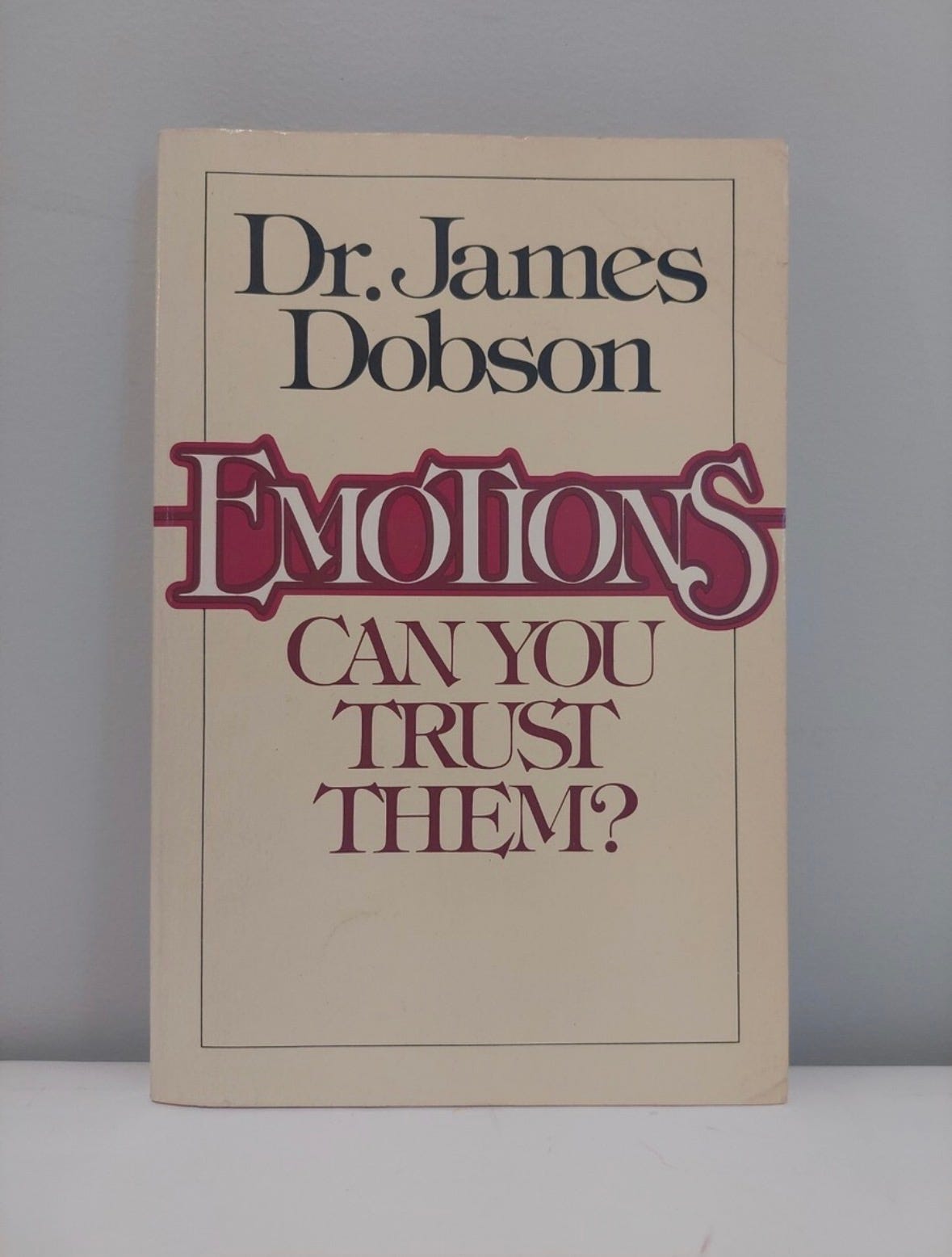
Dobson’s article concludes by telling victims of abuse that their “vulnerability to pain” is the problem. They are expecting too much. He recommends they deal with their childhood wounds as he did, through self-insulation: “It hurts less to expect nothing than to hope in vain.”
Okay, you may be thinking, but this is old news. Epstein sent that text over a decade ago. Emotions, Can You Trust Them? was published in the 1980s. Rather tellingly, Focus on the Family emailed the very same article out again today, having recently reposted it in May 2026. The institution, like millions of the evangelical parents they mentored, seems incapable of considering the negative impact of Dobson’s advice.
Perhaps Epstein’s endorsement of Christian parenting advice might be the catalyst needed, not for further evangelical self-insulation and fragility, but for the kind of self-scrutiny that leads to actionable repentance. It’s long past time for a collective reckoning with the way the parenting ideas we’ve preached and taught and sold to millions as “Christian” are anything but.
Related articles:
Estrangement in Evangelical Families

Many families are navigating painful “low-contact” or “no-contact” dynamics among increasing political and worldview divides. 1 out of 3 adults in the general American population reports estrangement from a parent or a sibling, and I suspect that we might find higher percentages among the

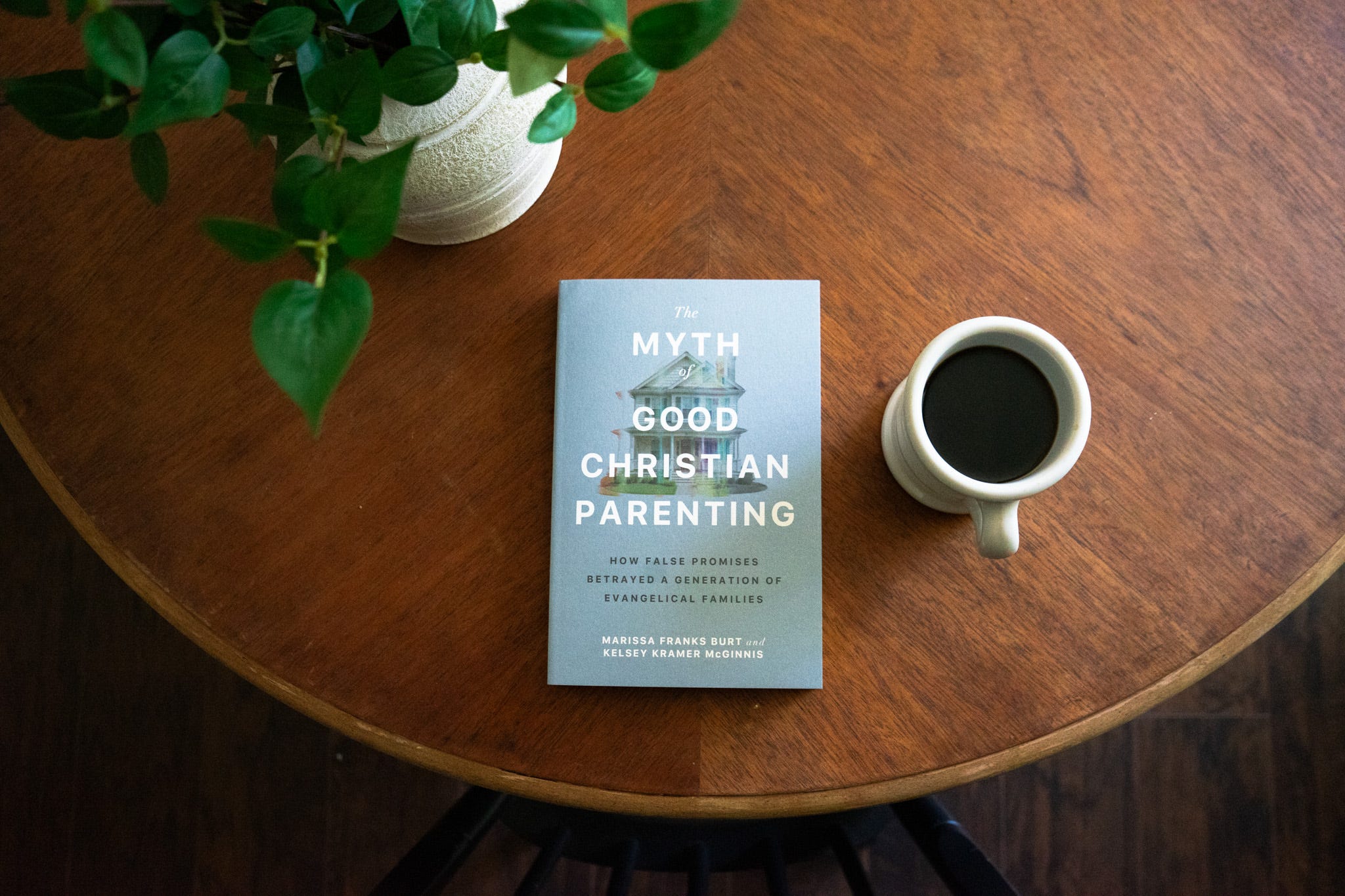
Read what people are saying about The Myth of Good Christian Parenting!
Join me and Kelsey Kramer McGinnis for conversations about the book.
***
Learn more about my novels: Storybound, Story’s End, A Sliver of Stardust, A Legend of Starfire, and The 12 Dares of Christa
Subscriber only courses:
How to Write and Publish a Novel
They must know about the Epstein connection, right? That's crazy they'd send out that article now, but not surprising.
Good gracious. As I’ve said before, if someone like Epstein used anything I ever published, I would be so quick to write an open letter decrying their actions and making clear I am in no way supportive or affiliated. Has anyone at Focus bothered to even acknowledge this link?